Author: admin

  • What is Scrap Metal Recycling

    What is Scrap Metal Recycling

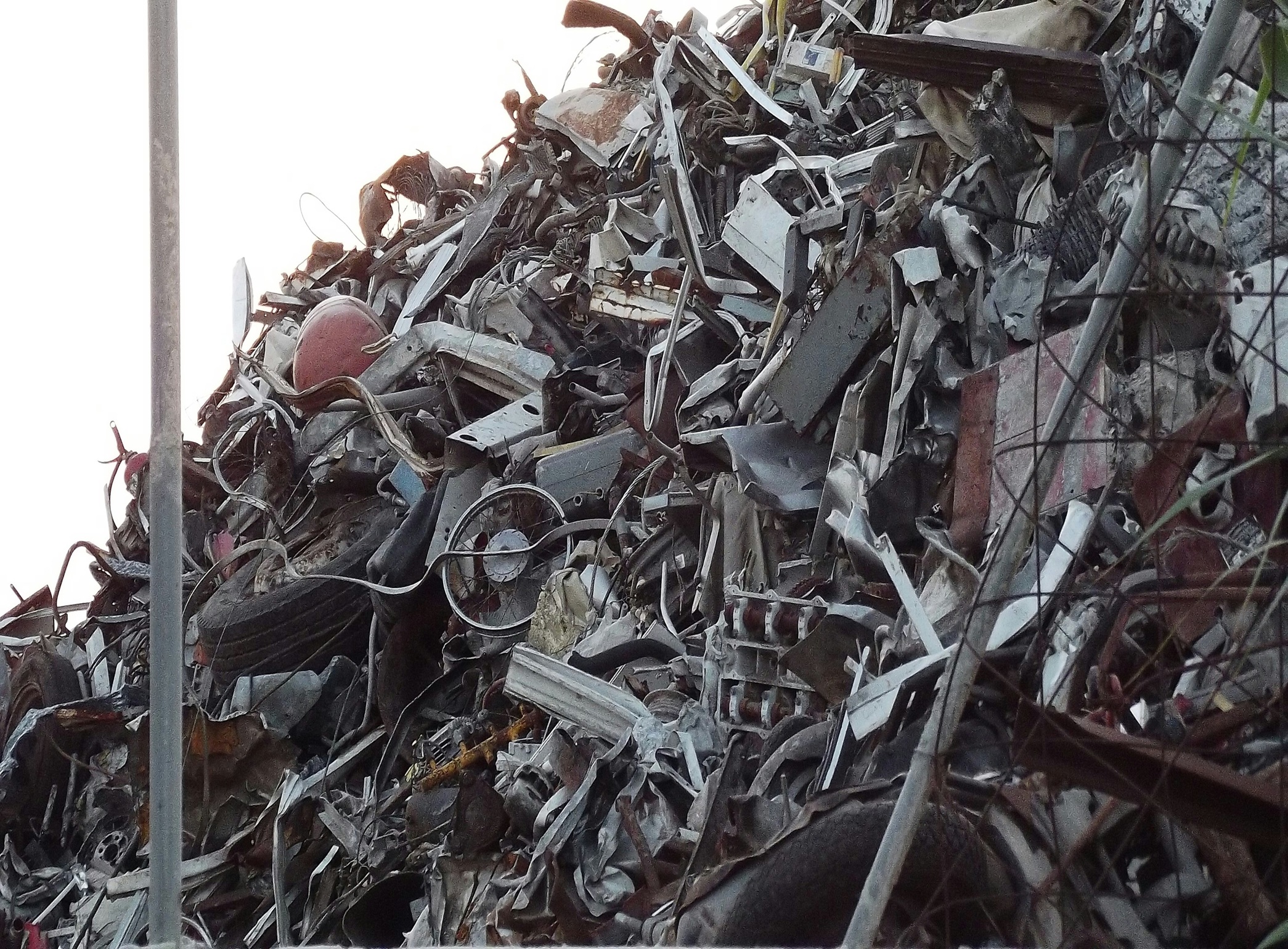
    Scrap metal recycling is the process of collecting, sorting, processing, and reusing unwanted metal materials instead of sending them to landfill or leaving them unused. Metals such as steel, aluminum, copper, brass, and stainless steel can often be recovered and used to manufacture new products.

    Recycling scrap metal helps conserve natural resources, reduce waste, and support a more circular approach to manufacturing.

    What Is Scrap Metal?

    Scrap metal generally refers to discarded metal items or leftover metal materials that still have value and can potentially be recovered.

    Common examples include:

    • Old appliances

    • Automotive parts

    • Construction materials

    • Electrical wiring

    • Metal pipes

    • Machinery and equipment

    • Aluminum cans

    • Steel containers

    • Manufacturing offcuts

    • Old tools and fixtures

    Scrap metal can come from households, construction sites, manufacturing facilities, demolition projects, automotive operations, and commercial businesses.

    How Does Scrap Metal Recycling Work?

    The recycling process typically involves several stages.

    1. Collection

    Scrap metal is collected from homes, businesses, construction sites, factories, recycling centers, and other sources.

    Depending on the material and quantity, scrap may be transported directly to a recycling facility or collected by a scrap-metal company.

    2. Sorting

    Once the material reaches a recycling facility, it is sorted according to factors such as metal type, grade, size, and condition.

    Magnets can be used to separate ferrous metals such as steel and iron from non-ferrous metals such as aluminum and copper.

    More advanced facilities may use sensors, eddy-current separators, and other technologies to improve sorting accuracy.

    3. Processing

    The sorted metal may be cut, shredded, compressed, or otherwise processed to make it easier to handle and prepare for recycling.

    For example, large metal objects may be cut into smaller pieces, while scrap metal from manufacturing may be compacted for transportation.

    4. Melting

    Processed metal is sent to specialized facilities where it can be melted in furnaces appropriate for the particular metal.

    Different metals require different processing conditions, so separating materials correctly is important.

    5. Purification and Refining

    The molten metal may undergo additional processing to remove unwanted materials and achieve the required composition.

    The level of refining depends on the type of metal and its intended application.

    6. Manufacturing New Products

    Once processed, recycled metal can be used as a raw material for manufacturing new products.

    Depending on the metal and application, recycled material can contribute to products such as construction components, automotive parts, appliances, packaging, machinery, and electrical products.

    Ferrous vs. Non-Ferrous Metals

    Scrap metals are commonly divided into two main categories.

    Ferrous Metals

    Ferrous metals contain iron. Common examples include steel and cast iron.

    They are widely used in construction, vehicles, machinery, and industrial equipment. Because many ferrous metals are magnetic, magnets are commonly used during the sorting process.

    Non-Ferrous Metals

    Non-ferrous metals do not contain significant amounts of iron.

    Examples include:

    • Aluminum

    • Copper

    • Brass

    • Bronze

    • Lead

    • Zinc

    These metals are often valuable because of their useful physical and electrical properties and their ability to be recycled.

    Why Is Scrap Metal Recycling Important?

    Conserves Natural Resources

    Recycling metal reduces the need to obtain all the required raw material from newly mined resources.

    Recovered metals can become valuable inputs for manufacturing, helping reduce pressure on natural resources.

    Reduces Waste

    Instead of being discarded, unwanted metal can be collected and returned to productive use.

    This helps reduce the amount of material sent to landfills and supports more efficient use of resources.

    Saves Energy

    Producing some metals from recycled material can require less energy than producing them from virgin raw materials, although the amount of energy savings varies by metal, technology, and recycling process.

    Supports Manufacturing

    Recycled metals provide raw materials for a wide range of industries.

    Construction, automotive, manufacturing, electronics, packaging, and other sectors can all use recovered metal in different applications.

    Creates Economic Activity

    The scrap-metal recycling industry supports collection, transportation, sorting, processing, manufacturing, and related services.

    It can therefore contribute to local economies while providing a productive use for discarded materials.

    What Metals Can Be Recycled?

    Many common metals can be recycled repeatedly when they are properly collected and processed.

    Steel and aluminum are among the most widely recycled metals. Copper, brass, stainless steel, and other metals can also have significant recycling value.

    However, not every metal-containing item can be handled in the same way. Some products contain coatings, hazardous substances, electronics, batteries, or mixed materials that require specialized processing.

    Tips for Recycling Scrap Metal

    If you have scrap metal to recycle, consider separating different types of is an important part of modern resource management. It involves collecting unwanted metal, sorting and processing it, melting and refining it, and using the recovered metal when possible. Keep materials reasonably clean and remove non-metal components only when it can be done safely.

    Do not attempt to dismantle potentially hazardous equipment without appropriate knowledge and safety procedures. Items containing refrigerants, batteries, chemicals, or other hazardous materials may require specialized handling.

    A local recycling facility or scrap-metal processor can provide information about what materials it accepts and how they should be prepared.

    Conclusion

    Scrap metal recycling is an important part of modern resource management. It involves collecting unwanted metal, sorting and processing it, melting and refining it, and using the recovered material to manufacture new products.

    By keeping valuable metals in circulation, recycling can help reduce waste, conserve resources, support manufacturing, and make better use of materials that might otherwise be discarded.
  • How to Maintain Your Conveyor Rollers

    How to Maintain Your Conveyor Rollers

    Conveyor rollers play an important role in material-handling systems across warehouses, manufacturing facilities, distribution centers, and industrial operations. They help move products and materials efficiently while reducing manual handling.

    Like any mechanical component, conveyor rollers require regular maintenance. Proper maintenance can help reduce unexpected breakdowns, improve conveyor performance, extend roller life, and create a safer working environment.

    Here are some practical tips for maintaining your conveyor rollers.

    1. Inspect the Rollers Regularly

    Regular inspection is one of the simplest ways to identify potential problems before they become serious.

    Check the rollers for visible damage, cracks, dents, excessive wear, corrosion, or deformation. Pay attention to unusual movement or rollers that appear to be sitting unevenly.

    A consistent inspection schedule can help identify problems early and prevent larger equipment failures.

    2. Keep Rollers Clean

    Dirt, dust, product debris, and other contaminants can accumulate around conveyor rollers. Excessive buildup can interfere with rotation and place additional stress on bearings and other components.

    Clean the rollers and surrounding areas regularly using a method appropriate for the equipment and operating environment.

    In facilities handling food, chemicals, or other specialized materials, follow the applicable cleaning and safety procedures.

    3. Check Bearings

    Bearings allow rollers to rotate smoothly. Worn or damaged bearings can increase friction, create noise, and eventually cause a roller to stop turning.

    During inspections, listen for unusual sounds such as grinding, squealing, or rattling. Check for excessive play or resistance when appropriate and according to the manufacturer’s maintenance instructions.

    Replace damaged bearings or rollers as necessary rather than allowing a small problem to affect the rest of the conveyor system.

    4. Lubricate When Required

    Some conveyor rollers and bearings require lubrication, while others are designed to operate without additional lubrication.

    Always follow the manufacturer’s recommendations regarding the type, quantity, and frequency of lubrication. Using the wrong lubricant or applying too much can attract dirt and create additional problems.

    A proper lubrication schedule can help reduce friction and wear where lubrication is required.

    5. Check Roller Alignment

    Proper alignment is essential for smooth conveyor operation.

    Misaligned rollers can cause products to move unevenly, create additional friction, and contribute to premature wear. Inspect the roller position and make sure the conveyor frame and rollers remain properly aligned.

    If you notice products drifting, slipping, or moving irregularly, investigate alignment and other possible causes.

    6. Inspect the Conveyor Belt and Related Components

    Roller maintenance shouldn’t be performed in isolation.

    If your conveyor system uses a belt, inspect the belt for signs of wear, damage, tracking problems, or improper tension. Also check pulleys, shafts, brackets, guards, and other related components.

    A problem elsewhere in the conveyor can place unnecessary stress on the rollers.

    7. Watch for Unusual Noise and Vibration

    Changes in sound or vibration can be early indicators of mechanical problems.

    A roller that produces unusual noise may have a damaged bearing, contamination, poor alignment, or another mechanical issue.

    If vibration suddenly increases, stop and investigate the cause according to your facility’s safety procedures. Addressing unusual sounds and vibration early can help prevent more extensive damage.

    8. Replace Worn Rollers Promptly

    Rollers are wear components, and eventually some will need to be replaced.

    A roller that is seized, damaged, excessively worn, or no longer rotates correctly can affect conveyor efficiency and potentially damage other components.

    Don’t wait until a worn roller causes a complete conveyor failure. Maintain an inventory of appropriate replacement parts for critical systems so that repairs can be completed efficiently.

    9. Follow a Preventive Maintenance Schedule

    Preventive maintenance is generally more effective than waiting for equipment to fail.

    Create a schedule that includes regular inspections, cleaning, lubrication where required, alignment checks, bearing inspections, and replacement of worn components.

    The appropriate frequency depends on factors such as operating hours, load, conveyor design, environmental conditions, and manufacturer recommendations.

    Keep maintenance records so your established safety procedures and the equipment manufacturer’s instructions. Appropriate lockout/tagout procedures should be followed where applicable, and team can identify recurring issues and monitor component performance over time.

    10. Prioritize Safety During Maintenance

    Conveyor systems contain moving mechanical components and can present serious hazards during maintenance.

    Before performing maintenance, follow your facility’s established safety procedures and the equipment manufacturer’s instructions. Appropriate lockout/tagout procedures should be followed where applicable, and guards should be properly replaced before equipment is returned to service.

    Only trained and authorized personnel should perform maintenance work that requires access to hazardous equipment.

    Benefits of Proper Conveyor Roller Maintenance

    Regular maintenance can provide several benefits, including:

    • Longer roller service life

    • Reduced unexpected downtime

    • Improved conveyor performance

    • Lower repair costs

    • Better product movement

    • Reduced wear on related components

    • Improved workplace safety

    • More predictable maintenance planning

    Conclusion

    Conveyor rollers may be relatively simple components, but their condition can have a significant impact on the performance of an entire conveyor system.

    Regular inspections, cleaning, bearing checks, appropriate lubrication, alignment inspections, and timely replacement of worn components can help keep your conveyor operating efficiently.

    Most importantly, follow the manufacturer’s maintenance recommendations and your facility’s safety procedures. A consistent preventive-maintenance program can help identify small problems before they turn into costly equipment failures.

  • Hello world!

    Welcome to WordPress. This is your first post. Edit or delete it, then start writing!