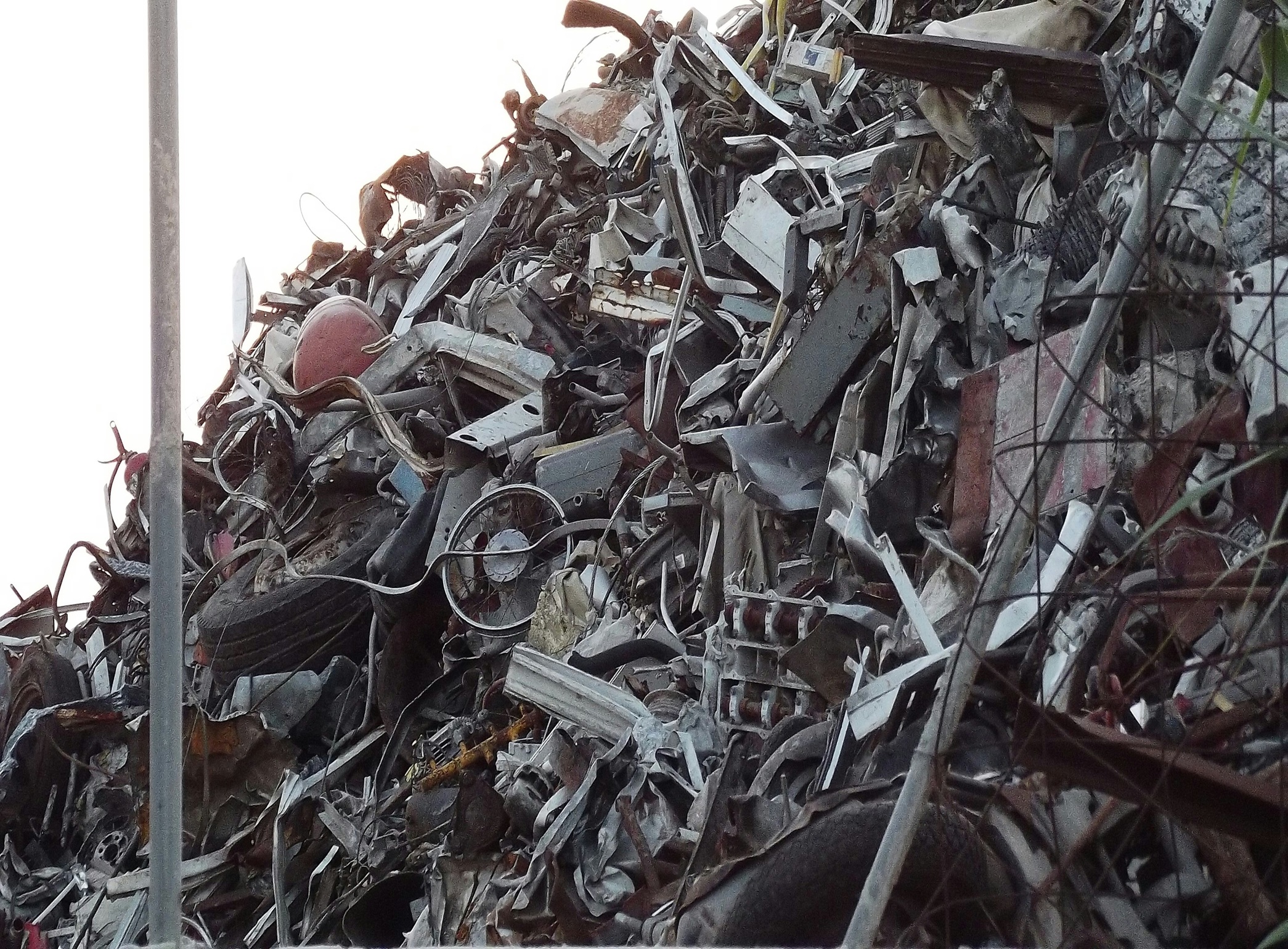
Scrap metal recycling is the process of collecting, sorting, processing, and reusing unwanted metal materials instead of sending them to landfill or leaving them unused. Metals such as steel, aluminum, copper, brass, and stainless steel can often be recovered and used to manufacture new products.
Recycling scrap metal helps conserve natural resources, reduce waste, and support a more circular approach to manufacturing.
What Is Scrap Metal?
Scrap metal generally refers to discarded metal items or leftover metal materials that still have value and can potentially be recovered.
Common examples include:
-
Old appliances
-
Automotive parts
-
Construction materials
-
Electrical wiring
-
Metal pipes
-
Machinery and equipment
-
Aluminum cans
-
Steel containers
-
Manufacturing offcuts
-
Old tools and fixtures
Scrap metal can come from households, construction sites, manufacturing facilities, demolition projects, automotive operations, and commercial businesses.
How Does Scrap Metal Recycling Work?
The recycling process typically involves several stages.
1. Collection
Scrap metal is collected from homes, businesses, construction sites, factories, recycling centers, and other sources.
Depending on the material and quantity, scrap may be transported directly to a recycling facility or collected by a scrap-metal company.
2. Sorting
Once the material reaches a recycling facility, it is sorted according to factors such as metal type, grade, size, and condition.
Magnets can be used to separate ferrous metals such as steel and iron from non-ferrous metals such as aluminum and copper.
More advanced facilities may use sensors, eddy-current separators, and other technologies to improve sorting accuracy.
3. Processing
The sorted metal may be cut, shredded, compressed, or otherwise processed to make it easier to handle and prepare for recycling.
For example, large metal objects may be cut into smaller pieces, while scrap metal from manufacturing may be compacted for transportation.
4. Melting
Processed metal is sent to specialized facilities where it can be melted in furnaces appropriate for the particular metal.
Different metals require different processing conditions, so separating materials correctly is important.
5. Purification and Refining
The molten metal may undergo additional processing to remove unwanted materials and achieve the required composition.
The level of refining depends on the type of metal and its intended application.
6. Manufacturing New Products
Once processed, recycled metal can be used as a raw material for manufacturing new products.
Depending on the metal and application, recycled material can contribute to products such as construction components, automotive parts, appliances, packaging, machinery, and electrical products.
Ferrous vs. Non-Ferrous Metals
Scrap metals are commonly divided into two main categories.
Ferrous Metals
Ferrous metals contain iron. Common examples include steel and cast iron.
They are widely used in construction, vehicles, machinery, and industrial equipment. Because many ferrous metals are magnetic, magnets are commonly used during the sorting process.
Non-Ferrous Metals
Non-ferrous metals do not contain significant amounts of iron.
Examples include:
-
Aluminum
-
Copper
-
Brass
-
Bronze
-
Lead
-
Zinc
These metals are often valuable because of their useful physical and electrical properties and their ability to be recycled.
Why Is Scrap Metal Recycling Important?
Conserves Natural Resources
Recycling metal reduces the need to obtain all the required raw material from newly mined resources.
Recovered metals can become valuable inputs for manufacturing, helping reduce pressure on natural resources.
Reduces Waste
Instead of being discarded, unwanted metal can be collected and returned to productive use.
This helps reduce the amount of material sent to landfills and supports more efficient use of resources.
Saves Energy
Producing some metals from recycled material can require less energy than producing them from virgin raw materials, although the amount of energy savings varies by metal, technology, and recycling process.
Supports Manufacturing
Recycled metals provide raw materials for a wide range of industries.
Construction, automotive, manufacturing, electronics, packaging, and other sectors can all use recovered metal in different applications.
Creates Economic Activity
The scrap-metal recycling industry supports collection, transportation, sorting, processing, manufacturing, and related services.
It can therefore contribute to local economies while providing a productive use for discarded materials.
What Metals Can Be Recycled?
Many common metals can be recycled repeatedly when they are properly collected and processed.
Steel and aluminum are among the most widely recycled metals. Copper, brass, stainless steel, and other metals can also have significant recycling value.
However, not every metal-containing item can be handled in the same way. Some products contain coatings, hazardous substances, electronics, batteries, or mixed materials that require specialized processing.
Tips for Recycling Scrap Metal
If you have scrap metal to recycle, consider separating different types of is an important part of modern resource management. It involves collecting unwanted metal, sorting and processing it, melting and refining it, and using the recovered metal when possible. Keep materials reasonably clean and remove non-metal components only when it can be done safely.
Do not attempt to dismantle potentially hazardous equipment without appropriate knowledge and safety procedures. Items containing refrigerants, batteries, chemicals, or other hazardous materials may require specialized handling.
A local recycling facility or scrap-metal processor can provide information about what materials it accepts and how they should be prepared.
Conclusion
Scrap metal recycling is an important part of modern resource management. It involves collecting unwanted metal, sorting and processing it, melting and refining it, and using the recovered material to manufacture new products.
By keeping valuable metals in circulation, recycling can help reduce waste, conserve resources, support manufacturing, and make better use of materials that might otherwise be discarded.
Leave a Reply